





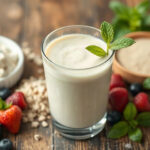

The Complete Guide to Vegan Protein Shake
Vegan protein shakes are a fantastic way to boost your protein intake while adhering to a plant-based diet. They provide essential nutrients, support muscle recovery, and can be tailored to fit various dietary preferences. In this comprehensive guide, we will explore the benefits, types, and recipes for vegan protein shakes, ensuring you have all the information needed to incorporate them into your lifestyle.
Understanding Vegan Protein Shakes
Vegan protein shakes are beverages made from plant-based protein sources, designed to provide a convenient and nutritious way to increase protein intake. These shakes can be made using various ingredients, including protein powders derived from peas, hemp, brown rice, and soy. Unlike traditional whey protein shakes, vegan options are free from animal products, making them suitable for vegans, vegetarians, and those with lactose intolerance.
Benefits of Vegan Protein Shakes
Vegan protein shakes offer numerous benefits that contribute to overall health and wellness. Here are some key advantages:
- Muscle Recovery: Consuming protein after workouts helps repair and build muscle tissue. Vegan protein shakes provide an excellent source of post-workout nutrition.
- Nutrient Density: Plant-based protein sources are often rich in vitamins, minerals, and antioxidants, which support a healthy immune system.
- Weight Management: Protein can promote satiety, helping to control hunger and support weight loss goals. Incorporating vegan protein shakes into your diet can aid in maintaining a healthy weight.
Types of Vegan Protein Sources
When it comes to vegan protein shakes, the type of protein source used can influence the nutritional profile and taste. Here are some popular plant-based protein sources:
- Pea Protein: Derived from yellow split peas, this protein source is rich in essential amino acids and easily digestible.
- Hemp Protein: Made from hemp seeds, this protein is high in omega-3 fatty acids and provides a good balance of amino acids.
- Brown Rice Protein: This hypoallergenic protein source is great for those with food sensitivities and provides a complete amino acid profile when combined with other plant proteins.
How to Make a Vegan Protein Shake
Creating a vegan protein shake is simple and customizable. Here’s a basic recipe template to get you started:
Basic Vegan Protein Shake Recipe
To make a basic vegan protein shake, you will need:
- 1 cup of your choice of plant-based milk (almond, soy, oat, etc.)
- 1 scoop of vegan protein powder
- 1 banana or 1 cup of frozen fruit
- 1 tablespoon of nut butter or seeds (optional)
- Ice cubes (optional)
Combine all ingredients in a blender and blend until smooth. Adjust the consistency by adding more liquid if needed.
Flavor Variations
Vegan protein shakes can be tailored to suit your taste preferences. Here are some flavor variations to try:
- Chocolate Delight: Add 2 tablespoons of cocoa powder and a tablespoon of maple syrup for a rich chocolate flavor.
- Berry Blast: Use a mix of berries such as strawberries, blueberries, and raspberries for a refreshing fruity shake.
- Green Power: Incorporate a handful of spinach or kale for an added nutrient boost without altering the taste significantly.
Incorporating Vegan Protein Shakes into Your Diet
Integrating vegan protein shakes into your daily routine can be beneficial for various health goals. Here are some tips on how to do so:
Post-Workout Nutrition
After an intense workout, your muscles need protein to recover effectively. A vegan protein shake can be an excellent post-workout snack, helping to replenish your energy and repair muscle tissue. Aim to consume your shake within 30 minutes of finishing your workout for optimal results.
Meal Replacement
Vegan protein shakes can also serve as meal replacements when you’re short on time. By including a good balance of protein, healthy fats, and carbohydrates, your shake can provide a complete meal. For example, adding oats, nut butter, and fruits can make your shake more filling.
Snack Option
Instead of reaching for unhealthy snacks, consider a vegan protein shake as a nutritious alternative. It can help curb cravings and keep you satisfied in between meals.
Common Questions About Vegan Protein Shakes
Are vegan protein shakes effective for muscle gain?
Yes, vegan protein shakes can be effective for muscle gain. They provide essential amino acids needed for muscle repair and growth. It’s important to ensure your shake contains a complete amino acid profile, which can be achieved by combining different plant protein sources.
Can vegan protein shakes replace meals?
Vegan protein shakes can replace meals if they are well-balanced and contain sufficient macronutrients. Incorporating fiber-rich ingredients such as fruits, vegetables, and healthy fats can enhance the meal replacement quality of your shake.
How much protein do I need daily?
The daily protein requirement varies depending on factors such as age, gender, and activity level. On average, adults should aim for about 0.8 grams of protein per kilogram of body weight. Athletes or those engaging in regular exercise may require more, approximately 1.2 to 2.0 grams per kilogram.
Are there any side effects of vegan protein shakes?
Generally, vegan protein shakes are safe for most individuals. However, excessive protein intake can lead to digestive issues such as bloating or gas, particularly from certain protein sources. It’s important to monitor your body’s response and adjust your intake accordingly.
What is the best time to consume a vegan protein shake?
The best time to consume a vegan protein shake depends on your fitness goals. For muscle recovery, it’s ideal to consume it post-workout. For convenience as a snack or meal replacement, it can be consumed at any time throughout the day.
Can I make vegan protein shakes ahead of time?
You can prepare vegan protein shakes ahead of time and store them in the refrigerator for up to 24 hours. However, for the best taste and texture, it’s recommended to consume them fresh after blending. If preparing in advance, consider storing ingredients separately and blending just before consumption.
What should I look for in a vegan protein powder?
When selecting a vegan protein powder, look for a product that contains a complete amino acid profile, minimal additives, and is free from artificial sweeteners. Reading labels and choosing high-quality brands can ensure you’re getting the best nutrition.
Are vegan protein shakes suitable for everyone?
While vegan protein shakes are suitable for most individuals, those with specific allergies or intolerances should check the ingredient list carefully. People with soy allergies, for example, should avoid soy protein-based products, while others may have sensitivities to certain ingredients.
How can I enhance the flavor of my vegan protein shake?
Enhancing the flavor of your vegan protein shake can be done using natural ingredients such as vanilla extract, cinnamon, or cocoa powder. Additionally, using a variety of fruits can add sweetness and flavor without relying on added sugars.
Is it necessary to use protein powder in vegan shakes?
No, it’s not necessary to use protein powder in vegan shakes. You can create nutrient-dense shakes using whole food sources such as nuts, seeds, legumes, and grains that naturally contain protein. However, protein powder can be a convenient way to ensure you meet your protein needs, especially for those with higher requirements.
Conclusion
Vegan protein shakes are a versatile and nutritious addition to any diet. They not only help meet protein needs but also provide a host of other health benefits. By understanding the different types of vegan protein sources, how to make your shakes, and how to incorporate them into your daily routine, you can enhance your overall nutrition and support your health goals. Whether for muscle recovery, meal replacement, or a healthy snack, vegan protein shakes are an excellent choice for anyone looking to increase their protein intake while enjoying delicious flavors.
Sources
Phillips, S. M., & Van Loon, L. J. (2011). Dietary protein for athletes: From requirements to metabolic advantage. Applied Physiology, Nutrition, and Metabolism, 36(5), 647-663. https://pubmed.ncbi.nlm.nih.gov/21832265/
Messina, M. (2016). Insights gained from 20 years of soy research. The Journal of Nutrition, 146(4), 793S-798S. https://pubmed.ncbi.nlm.nih.gov/27033032/
Fulgoni, V. L., III, & Dreher, M. L. (2018). Plant-based foods in the diet: A source of protein and other nutrients. Nutrition Today, 53(5), 253-261. https://pubmed.ncbi.nlm.nih.gov/30160292/


